Blog
Stay ahead of industry trends, stay informed with the latest updates, and keep a close eye on emerging hot topics.
This is the place to gain a deeper and more comprehensive understanding of what we do!
longwill
News
Dab Filling Machine Safety: The Complete Process
This guide details each essential phase of operating a dab filling machine, from setup to daily maintenance. It provides operators with a clear, actionable framework to perform tasks safely and efficiently, helping to prevent common errors and ensure consistent, high-quality filling results. Dab Machine Setup: Preparing Materials and Workspace1. Material Readiness & Pre-Filling ProtocolAchieving Uniform ConsistencyA critical first step in operating your dab machine is to ensure your concentrate is perfectly homogeneous. Vigorously stir or mix the material to eliminate all air pockets and achieve a smooth, even texture. Trapped bubbles will disrupt the machine's metering accuracy, leading to under-filled or inconsistent products that fail to meet quality standards. Temperature ConditioningFor the dab filling machine to function efficiently, the concentrate often needs to be brought to an ideal working temperature before loading. Pre-warming the material to its target range (commonly 40-60°C) lowers its viscosity. This conditioning step reduces strain on the machine's mechanisms and promotes a steady, reliable material flow from the first unit to the last. Preparing ContainersEvery container destined for filling—jars, cartridges, or pods—must be prepared to a high standard of cleanliness. They should be meticulously washed, fully dried, and inspected to be free of any particulate matter. Impurities can compromise the end product's purity and are a common cause of clogging in the machine's precision dispensing tips. 2. Configuring the WorkspaceEnsuring Adequate AirflowMaintaining proper ventilation is a fundamental safety measure for any filling station. The work area must be designed with enough air exchange or targeted extraction to handle any subtle vapors generated as concentrates are heated during the machine's operation. This safeguards air quality and ensures a healthier atmosphere for personnel. Stabilizing Ambient ConditionsConsistent filling results depend on a controlled workspace environment. Aim to keep the room temperature stable, ideally within 20-25°C, and manage humidity levels. Avoiding high-moisture conditions is important to protect the electrical systems of your equipment and to prevent moisture-sensitive concentrates from altering their properties. Maintaining a Controlled ZoneDedicating a specific area as a clean zone for your dab making machine is key to minimizing external contamination. Restrict non-essential activity in this space to limit airborne dust. Surfaces should be kept clean and be made of non-porous, easy-to-sanitize materials to uphold a controlled and professional operation. Dab Making Machine Setup and Calibration: The Foundation of Safe Operation1. Initial Dab Making Machine Safety VerificationVerifying Electrical IntegrityPrior to activating your machine dab, conduct a complete check of its electrical system. Confirm the power source is reliable, inspect all wiring for integrity, and verify that the unit is correctly grounded. This routine is essential for preventing potential electrical faults during operation. Assessing Mechanical ComponentsCarefully examine all mechanical elements, including pneumatic actuators and slide rails, to ensure they move freely without binding. Be alert for any atypical sounds that could signal mechanical issues, and remove any items that might interfere with the machine’s normal motion path. Temperature System CalibrationAccurate temperature calibration is fundamental for reliable performance. Using a certified reference thermometer, compare the actual temperatures at key points—the material hopper, delivery lines, and dispensing nozzle—against the machine's control panel readings. Consistent calibration maintains process accuracy and safeguards product quality. 2. Process Parameter Setup and ValidationEstablishing Temperature ProfilesConfigure the independent temperature zones of your machine dab to match the thermal requirements of your specific concentrate. Initiating heat at the lower spectrum of the recommended window and slowly ramping up helps avoid sudden thermal stress on the material, which can preserve its properties and prevent unwanted bubbling or degradation. Calibrating for Precise DosingEnter the desired fill weight into the machine’s interface. To validate accuracy, execute several test cycles, collecting and weighing the dispensed material on a precision scale. Iteratively adjust the settings until the results reliably meet your specified weight tolerance (e.g., ±1%). This diligent calibration is critical for ensuring consistent portioning. Optimizing Motion and Flow SettingsTailor the machine's operational dynamics—such as the nozzle travel speed and the rate of material discharge—to the viscosity of your concentrate and the design of your container. Well-adjusted motion profiles are key to achieving neat, complete fills without issues like splatter, webbing, or uneven distribution, streamlining your production process. Standardized Operating Procedure for Weed Wax Machines1.Loading the ConcentrateCarefully transfer your pre-conditioned material into the hopper of the weed wax machine using a steady, controlled pouring technique. This helps minimize turbulence and prevents air bubbles from being introduced—both critical for ensuring accurate dosing and a consistent end product. Once loaded, promptly secure the hopper lid to maintain optimal temperature and protect the material from external contaminants. 2.Filling Cycle OperationsBefore starting a full production batch, always perform a first-article verification. Run the dab filling machine to produce 3–5 test units, then immediately weigh and visually inspect them. This confirms that fill weight meets the target specification and that the output is free of defects, validating that all system parameters are set correctly. During the filling run, carry out consistent quality checks. Sample units periodically—for example, every 30 minutes—to verify fill weight and check for issues such as bubbles or incomplete fills. At the same time, continuously monitor the temperature readings across all heating zones. Any significant or sustained deviation should prompt an immediate pause to identify and address the cause. If a nozzle clog or inconsistent filling occurs, stop the machine right away. Clear blockages using the appropriate pre-warmed cleaning tools designed for the equipment. Never attempt to clear a clog by hand while the machine is running or when components are still hot. 3.Mandatory System CleaningOnce a batch is finished or when switching between different concentrate types, perform a complete and immediate system clean-out. This step is essential to prevent cross-contamination between product batches, ensuring each product maintains its intended purity and flavor integrity. Dab Filling Machine Maintenance: Cleaning, Upkeep, and Safety Readiness1. Daily Cleaning ProtocolMaintaining a consistent daily cleaning routine is vital for your dab machine’s performance and product integrity. Begin by flushing the hopper, supply lines, and dispensing nozzle with a food-grade solvent like ethanol while the unit is still warm, allowing residual concentrate to dissolve easily. For persistent buildup, periodically disassemble components such as nozzles and seals for ultrasonic cleaning. After cleaning, ensure all parts and internal passages are fully dry before reassembly to prevent operational issues in subsequent production cycles. 2. Preventive Maintenance ScheduleAdhering to a regular maintenance schedule helps extend the lifespan of your filling equipment and ensures consistent output. This includes routinely inspecting and tightening mechanical fasteners and electrical connections that can loosen over time. Follow a usage-based plan to replace wear items—such as seals, diaphragms, and tubing—before they compromise performance. Keeping a detailed maintenance log supports equipment tracking, aids in scheduling future service, and assists with quality assurance documentation. 3. Emergency Preparedness PlanPreparedness is key to managing unexpected situations safely and efficiently. Confirm that all operators know where the emergency stop controls are located and understand how to use them, testing these functions periodically. Ensure that appropriate safety equipment—including a first-aid kit and a properly rated fire extinguisher—is kept accessible near the work area, and that staff are trained in its use. Establish and periodically review straightforward response protocols for common minor incidents, such as small concentrate spills or minor thermal contact, to enable quick and calm resolution without escalation. Read more:https://longwillmachinery.com/Blog/semi-automatic-vs-fully-automatic-dab-machines-filling-machine-comparison-for-wax-oil.htmlhttps://longwillmachinery.com/Blog/how-does-a-dab-filling-machine-work.html ConclusionMastering the operational techniques of your filling equipment is just the beginning. Internalizing safety and standardization into daily practice is the cornerstone of achieving long-term, reliable performance and commercial success.
longwill
News
Semi-Automatic vs Fully Automatic Dab Machines: Filling Machine Comparison for Wax & Oil
In this guide, we’ll compare semi-auto vs full-auto dab machines side by side and break down the key factors that matter most for real-world wax and oil filling. Semi-Automatic vs Fully Automatic Dab Machines: Quick Comparison TableItemVape-Jet Dab Dispenser (Semi-Automatic)Longwill Dab Wax Filling Machine (Fully Automatic)Machine typeSemi-automatic jar filling + weight checkFully automatic dab wax filling machinePrimary useConcentrate jar filling (e.g., 1g jars)Dab/wax filling; supports jars and other formats (with fixtures)Throughput (claimed)Up to 500 x 1g jars/hour2000–3000 sticks/hour (site also lists 20–30 pcs/min)Accuracy (claimed)±1% (with automated weight check)±0.01 ml (site also lists 0.01g)Reservoir / tank1L removable stainless reservoir1L oil tankHeating / viscosity approach“No-to-low heat” + nitrogen-pressurized dispensingHeated system, temperature range 0–120°CControl styleSemi-auto operation; integrated scale + auto-calibrationTouchscreen + PLC; motor/ball-screw controlBest fitBrands prioritizing jar filling + weight validationBrands needing fully automatic precision + higher productivity What Are Semi-Automatic Weed Wax Machines?A semi-automatic dab filling machine is a solid upgrade from hand filling, improving consistency and efficiency while still keeping the operator involved. In most setups, the operator loads and removes containers, starts each cycle, and may verify or fine-tune the fill by volume or weight. Put simply, the dab machine handles controlled dispensing (often with heating), while the operator controls the pace and handling. Semi-auto systems are often chosen for their flexibility. They’re well suited for smaller runs, frequent SKU changes, and jar-filling workflows where quick visual checks and hands-on adjustments are part of daily production. Since the system is typically less complex than a fully automated line, it’s also easier to maintain, easier to troubleshoot, and more budget-friendly. For many teams, a semi-automatic weed wax machine is the practical next step—ideal for moving beyond syringes, supporting in-house dab wax filling, and increasing output without jumping straight into full automation. What Are Fully Automatic Dab Filling Machines?A fully automatic weed wax machine runs the filling process as a programmed sequence, so day-to-day production requires far less hands-on work. In a typical workflow, the operator sets key parameters—fill volume, temperature, speed, and positioning—loads the tray/jig (or fixtures), and starts the cycle. After that, the dab machine handles the rest: it moves into position, dispenses the preset amount, and repeats the same routine across the batch. Many systems add multi-nozzle filling to increase throughput while keeping results consistent from unit to unit. What makes it “fully automatic” is the combination of control and stability behind the scenes. Most machines use PLC + touchscreen control to run repeatable cycles, precision motion components (rails and lead screws driven by a servo or stepper motor) to maintain accurate positioning, and a metered pump system to deliver consistent dosing. For thick wax and high-viscosity oils, temperature-controlled material paths are often included to keep flow steady and help reduce clogging, tailing, or slowdowns during longer runs. Overall, a fully automatic dab filling machine is a strong fit for growing brands that need higher precision, higher output, less dependence on operator technique, and more consistent results across shifts. Key Comparison Points for Wax & OilWhen you’re filling wax, rosin, and other thick oils, the “best” option usually comes down to how well the system manages viscosity, stays stable over long runs, and delivers a clean cut-off. Below are the factors that matter most in day-to-day production—whether you’re using a semi-auto setup or a fully automatic wax weed machine. 1) Viscosity Handling and Temperature ControlA semi-automatic dab machine can handle thick material well—especially if you like hands-on control—but results may vary more with operator pace and technique. Heating is sometimes simpler, such as primarily warming the reservoir. A fully automatic dab filling machine typically holds steadier output because it runs at a consistent rhythm and maintains controlled conditions. Multi-zone heating (tank + line/nozzle) is especially useful for preventing cooling, clogging, and tailing when viscosity shifts during a run. 2) Fill Consistency: Volume vs. WeightSemi-auto workflows often involve more operator checks and may lean on weight verification, which can be ideal for jar filling where weight is the main QC point—though it can slow throughput. Fully automatic wax weed machines usually focus on repeatable dosing cycle-to-cycle; with stable positioning and metered dispensing, they tend to deliver tighter unit-to-unit consistency across larger batches. If you’re scaling, the key is consistency not only at startup, but also after pauses, refills, and longer runs. 3) Throughput and Labor EfficiencyA semi-automatic dab machine is generally much faster than hand filling, but output is still tied to people—starting cycles, handling containers, and keeping the pace moving. A fully automatic weed wax machine is designed to raise throughput without increasing labor at the same rate; once loaded and started, it can run steady batch cycles with less operator involvement. If labor is your biggest bottleneck, full automation is often the clearest path to more capacity. 4) Clean Cut-Off, Drips, and “Tailing”Thick concentrates tend to string, so clean cut-off becomes a major differentiator. Nozzle diameter, heat stability near the tip, pump start/stop control, and repeatable motion all influence whether you get clean breaks or messy tails. Semi-auto can still be clean, but it’s more dependent on operator timing. Fully automatic systems typically synchronize motion and dispensing the same way every cycle, which helps reduce drip variation and keeps results more uniform across the tray. 5) Changeovers, Cleaning, and Multi-SKU WorkflowsSemi-auto weed wax machines can be quicker to clean simply because the systems are often simpler and operators are already working hands-on. Fully automatic machines can also clean up fast when they’re designed with a short oil path, removable contact parts, and easy access to the reservoir and lines. Where full automation often wins is changeover consistency—saved programs and repeatable positioning make switching SKUs more predictable. No matter which route you choose, prioritize easy disassembly, low dead volume, and quick-change nozzles/fixtures if you run multiple products. 6) Flexibility: Hardware and Container CompatibilitySemi-automatic setups feel flexible because operators can adapt quickly to different jars or formats. A fully automatic dab machine can be just as flexible when the platform supports interchangeable trays/jigs, nozzle options, and simple parameter adjustments. If you fill a mix of carts, pods, pens, and jars, look for a system built around fixture swaps and adjustable positioning—not one locked into a single format. 7) Cost of Ownership and Scaling PathSemi-automatic machines typically have a lower entry cost and straightforward maintenance, making them a solid upgrade from manual processes. Fully automatic systems cost more upfront, but they often reduce cost per unit at scale through higher throughput, steadier output, and less labor dependence. If you expect growth in the next 6–18 months, a fully automatic dab filling machine can become the more economical choice once labor savings and production stability start to compound. Read more:https://longwillmachinery.com/Blog/how-does-a-dab-filling-machine-work.htmlhttps://longwillmachinery.com/Blog/how-to-choose-a-dab-filling-machine-for-solventless-concentrates.html ConclusionThere isn’t a one-size-fits-all answer—your best choice depends on your product type, batch size, staffing, and growth plan. A semi-automatic dab machine is often the practical step up from manual filling when you want flexibility and hands-on control, especially for smaller runs or frequent changeovers. A fully automatic dab filling machine is typically the better fit when you need higher output, tighter repeatability across shifts, and less reliance on operator technique.
longwill
News
How Does a Dab Filling Machine Work?
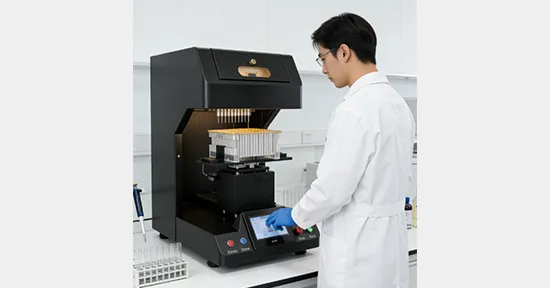
A dab filling machine is one of the most practical tools for turning thick concentrates into clean, consistent finished products—especially when you’re filling cartridges, disposables, or pods at scale. Instead of relying on manual syringes and “by feel” dosing, these machines use programmed control, stable positioning, and repeatable dispensing to improve consistency and reduce waste. Below, we’ll break down what a dab filling machine does, how the filling process works step by step, and what’s happening behind the scenes that makes the workflow truly automatic. What a Dab Filling Machine DoesA dab filling machine is built to dispense precise, repeatable amounts of thick cannabis concentrates—such as rosin, wax, and other high-viscosity oils—into cartridges, disposables, pods, or containers. Rather than relying on hand-filled syringes, it turns the process into a more controlled, consistent workflow, helping each unit come out the same. With accurate metering and steady positioning, the machine helps improve dosing consistency, reduce mess and product loss, and keep batch output uniform. Many models also use temperature control to maintain smooth flow, which can reduce clogging and nozzle “tailing,” making production cleaner and more efficient while supporting better quality control. How a Dab Machine Works Touchscreen setup and parameter selectionA dab machine usually starts with a quick setup on the touchscreen. The operator chooses a program, confirms the target fill volume, and adjusts basic motion and cycle settings—how the head moves, where it pauses, and how the sequence repeats. Once those parameters are saved, the dab machine can run the same routine consistently, which is a big part of how it improves repeatability compared with manual filling. Nozzle alignment over the tray/jigNext, the dab machine moves to the filling station. A multi-needle nozzle head lines up over a tray/jig that holds each unit in a fixed position. The tray does more than keep parts organized—it standardizes spacing and height so the nozzles land in the right place every cycle. That helps reduce misalignment, keeps the work area cleaner, and supports a smoother workflow. In this setup, the machine references practical capacity specs like a 0.2–6 ml filling range and a 2.5 L oil tank, giving flexibility for different products while cutting down on refill interruptions. Multi-nozzle filling for higher efficiencyWith everything aligned, the dab machine dispenses into multiple units at once—5 pieces per cycle in this example. This multi-nozzle approach boosts throughput while keeping results more uniform, since each nozzle follows the same programmed movement and dosing logic. The cycle itself is simple: move into position, dispense the set amount, then lift and reset for the next pass. Because the machine dab workflow controls both motion and dosing, it reduces common manual issues like inconsistent timing, uneven pressure, or slight hand placement differences. Continuous batch filling workflowFrom there, the dab machine runs through the tray in a steady batch routine, repeating the same position-and-dispense sequence until the tray is finished. The workflow stays straightforward: load a tray, run the cycle, and let the machine dab maintain consistent output across the batch. The real benefit is predictability—repeatable alignment and controlled dispensing help reduce under/overfills, minimize interruptions from misplacement, and avoid slowdowns caused by constant manual handling. For growing operations, this kind of steady batch rhythm is often what makes daily production easier to manage and more consistent shift to shift.If you want to view the YouTube video, you can click on it:https://www.youtube.com/shorts/SaWJxKf724I What Makes the Process “Automatic” in a Machine Dab Tray/Jig Positioning (Consistent Alignment)In a machine dab, the tray/jig is more than a place to set hardware—it’s a positioning system. Each cartridge or device sits in a fixed pocket with consistent spacing, height, and orientation, so the machine can return to the same fill points every cycle. That repeatable alignment helps the nozzle head land accurately, reducing missed targets, splashing, and the small placement errors that often create mess and rework during manual filling. Multi-Nozzle Dosing (Higher Throughput)Multi-nozzle filling isn’t only about speed—it also helps standardize output. Instead of filling one unit at a time, the dab machine dispenses into several units simultaneously, increasing output per cycle while keeping the workflow smooth. Because each nozzle follows the same programmed motion and dosing routine, fills tend to be more uniform across the tray. It also cuts down on the constant stop-and-go handling that slows production in single-nozzle or hand-filling setups. Program-Based Control (Repeatable Workflow)What makes the process truly automatic is the repeatable sequence behind it. Operators set key parameters on the touchscreen—like volume targets and cycle behavior—and the machine dab executes the same steps in the same order every time. That consistency reduces guesswork and operator-to-operator variation, which is especially useful when multiple people run the line or when you need the same results across shifts. It also makes changeovers easier because you’re adjusting a known program rather than dialing everything in by feel. Repeatability (Less Variation, Less Waste)Once positioning and dosing are standardized, many common sources of variation drop away—uneven timing, inconsistent pressure, small hand movements, or messy cutoffs. In daily production, that usually means fewer drips and strings, fewer under/overfills, and less product lost during restarts or brief pauses. Over longer runs, repeatability is what keeps yield predictable: cleaner fills, fewer rejects, and less time spent correcting small issues that add up fast. ConclusionA dab filling machine works by combining three core elements: program-based control, precise alignment with trays/jigs, and repeatable multi-nozzle dosing. Together, these features help deliver cleaner fills, more consistent results, and a smoother production rhythm—especially across longer runs and multiple shifts.
longwill
News
How to Choose a Dab Filling Machine for Solventless Concentrates
In this guide, we’ll walk through the most important factors to consider when choosing a dab filling machine—from pumping and nozzle design to accuracy, scalability, cleaning, and long-term manufacturer support—so you can select a system that fits your production today and grows with you tomorrow. Dab Machines Viscosity ManagementWith solventless concentrates, thickness isn’t fixed—it can shift with the formula, room temperature, and even how long the material sits in the system. A well-designed dab machine should keep product flow consistent so you avoid uneven fills, trapped air pockets, unexpected clogs, or the stringy “tailing” that can leave cartridges messy. When comparing options, prioritize a heated, compact flow path that reduces cooling, a stable metering/pressure system that doesn’t rely on gravity, and—if your oil is prone to separation—an agitation or mixing feature in the reservoir to keep texture uniform from the first fill to the last. Precise, Adjustable Heating for a Dab MachineFor solventless concentrates, heating is really about flow control—it helps the material move smoothly through the system rather than “cooking” the product. What you want is a stable viscosity range so the dab machine can dispense cleanly and consistently from the first unit to the last. In many production setups, thick oils are kept within a moderate working zone (often around 30–60°C, depending on the formula and hardware), so steady temperature holding is usually more important than higher heat. When evaluating a dab filling machine, look for multi-zone heating, such as separate controls for the reservoir and the line/nozzle area, so the oil doesn’t cool and thicken on its way to the tip. It also helps to have fine temperature adjustment and stable regulation (ideally only a few degrees of variation during operation), along with built-in protections like over-temperature safeguards and reliable sensors. Good thermal control makes a noticeable difference on the floor: fewer clogs in the middle of a run, less slowing or pausing, more consistent fill results over long batches, and less product wasted when the line stops and restarts. Appropriate Pumping Mechanism for a Dab MachineThe pumping system is a major driver of fill consistency—especially with solventless concentrates, where viscosity can change as the material warms up or cools down. A reliable dab machine is typically paired with a dosing method designed for thicker oils, such as positive-displacement delivery (often piston-style designs), gear metering, or auger/screw feeding for heavier, more paste-like textures. When comparing options, focus on whether the pump can deliver the same dose repeatedly, stay stable with small viscosity shifts, and start/stop cleanly to reduce dripping, stringing, and messy cut-offs. Be cautious with systems that depend mainly on gravity, produce uneven pressure, or rely solely on timed dispensing without compensation—those setups often drift as soon as the material thickens or the process pauses. Interchangeable, Wide-Gauge NozzlesThe nozzle is where fill quality becomes obvious. For thick concentrates, a wide-gauge nozzle helps reduce flow resistance and lowers the risk of clogging, while a well-designed tip can improve cut-off so you see less drip and tailing. If you run different hardware—carts, pods, and disposables—choose a dab machine with interchangeable tips and quick-change nozzle assemblies. Having spare needles/tips on hand makes changeovers faster and helps keep production moving during cleaning or product switches. Material CompatibilityOver time, solventless concentrates can be hard on certain components—most commonly tubing, seals, and gaskets. For long-term reliability and cleaner operation, look for product-contact parts made from durable, easy-to-sanitize materials (stainless steel is common on contact surfaces), and confirm that the sealing materials are compatible with both your oil and the cleaners you use. It’s also wise to avoid designs that route product through unknown plastics, which can swell, crack, leak, or cause unwanted carryover. Good material compatibility supports everyday performance: it helps protect product integrity, reduces downtime from seal wear, and minimizes flavor or odor transfer when you run multiple products back-to-back. Accuracy and Precision for a Dab Filling MachineFor regulated or premium products, consistency is non-negotiable—and “accuracy” is more than a spec line. What really counts is how the dab machine performs over an entire shift, including after pauses, restarts, and reservoir refills. As a practical benchmark, Longwill machines can achieve ±0.01 ml accuracy, helping maintain tighter dosing control, cleaner batch uniformity, and fewer rejects. When you’re comparing equipment, look for repeatable output across multi-hour runs, stable performance after stop/start events, and straightforward ways to calibrate or fine-tune dosing without turning every adjustment into a lengthy teardown. If small fill swings lead to rework, returns, or compliance concerns, it’s usually better to choose a machine built for repeatability and stability rather than chasing the highest headline speed. Scalability and SpeedPick a machine dab that fits today’s production—and supports where you want to be in the next 12–24 months. Start by defining your real demand: are you filling dozens per hour, hundreds per hour, or thousands per day? Will you begin with a single-head setup but eventually need a multi-nozzle configuration? Are new SKUs or additional device formats part of the roadmap? A strong platform lets you scale without starting over. Look for modular upgrade paths (adding nozzles/heads, stepping up automation), consistent performance at higher cycle rates, and a design that expands with your workflow instead of forcing a full replacement as volume grows. Ease of Cleaning and MaintenanceSolventless concentrates are sticky by nature, and cleanup time can quietly become a major operating expense. A machine that looks fast on paper can feel slow in reality if changeovers are messy, disassembly takes too long, or residue builds up in hard-to-reach areas—especially when you switch products frequently. Prioritize designs with easy access to the reservoir and flow path, fast disassembly for routine cleaning, minimal “dead zones” where oil can settle and harden, and readily available consumables such as seals, nozzles, and filters (if used). In daily production, faster cleaning and smoother changeovers often deliver more value than a small bump in cycle speed. Machine Dab VersatilityIf you run multiple products, the most practical choice is often a machine dab that can adapt without slowing you down. A flexible system should support different day-to-day workflows with minimal changes—so you can move from one SKU to the next without turning every switch into a long setup. When evaluating versatility, look at the range of supported fill volumes, compatibility with common hardware formats (carts, pods, and disposables), and whether the fixtures/trays/jigs are adjustable or easy to swap. It’s also a plus if the machine can handle viscosity changes with small tweaks—rather than requiring a full reconfiguration whenever the oil texture shifts. If you change products often, prioritize quick-change tooling, the option to save and recall settings/recipes (when available), and short, repeatable setup routines that help reduce operator error and keep changeovers consistent. Manufacturer SupportSupport can be just as important as the spec sheet—especially when you’re scaling production and uptime becomes critical. With strong manufacturer support, you can troubleshoot faster, keep output consistent, and avoid unnecessary downtime that eats into your schedule. Look for vendors that provide clear documentation (operation, cleaning, maintenance), dependable spare-parts availability with reasonable lead times, responsive troubleshooting (remote guidance and service options), operator onboarding/training, and straightforward warranty terms. A few smart questions to ask before you buy:What are the most common wear parts, and how often are they typically replaced?What’s included in the accessory kit (spare needles, O-rings, fuses, tools, etc.)?How is calibration handled, and how long does it usually take? After purchase, what does support look like—response time, channels, and the service process? A Longwill dab filling machine is a fully automatic platform built for production efficiency. Automation helps reduce operator variation, improve repeatability, and support higher throughput—while responsive Longwill support and parts availability help keep the system running smoothly as your volume grows. With proper onboarding, ready-to-ship spares, and reliable assistance, it’s easier to maintain consistent performance across shifts and scale confidently as your product line expands. ConclusionA well-matched dab filling machine should make production more predictable: smoother flow, cleaner cut-offs, tighter dosing, faster changeovers, and fewer interruptions during long runs. As you compare options, prioritize the fundamentals—viscosity control, adjustable heating, the right pumping method, compatible materials, and easy maintenance—then choose a platform that can scale with your output and product lineup.
longwill
News
Why Does My Vape Liquid Have No Flavour?
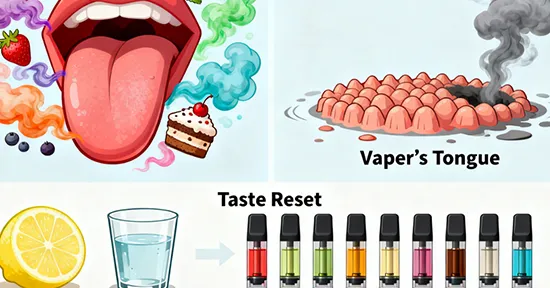
In this guide, we’ll walk through the most common reasons your vape has little or no flavor, how to fix each one step by step, and why the quality of the vape cart filling machine behind the product can make or break the taste you get in every puff. Common Reasons Your Vape Has No FlavorIncorrect Wattage or Temperature SettingsEvery coil has a sweet spot — a power range where it’s designed to work best, usually printed right on the coil. If your wattage is set too low, the coil just warms the e-liquid instead of fully vaporizing it, so the flavor comes through weak, thin, or almost not at all. Turn the wattage up too high, and the cotton can scorch in an instant, giving you a harsh burnt hit and ruining the coil in just a few puffs. The good news: this is an easy fix. Dial the wattage or temperature back into the recommended range and, in most cases, flavor and vapor will bounce right back. Any time the taste suddenly drops off or feels inconsistent on an adjustable device, your power setting is the first thing worth checking. Burnt or Worn-Out CoilYour coil is basically the flavor engine of your vape. Over time, the cotton inside breaks down from repeated heating, and sweeteners and flavorings in the e-liquid caramelize on the metal, building up dark “gunk” on the coil. At first, you’ll notice the flavor losing its punch and feeling a bit flat. As the buildup gets worse, bitterness creeps in, and eventually everything just tastes like burnt cotton. If you keep vaping in that state, every juice you try will seem bad, even when the liquid itself is fine. Swapping in a fresh coil — and taking a moment to rinse or wipe out the tank and airflow path — can make a huge difference and bring the flavor much closer to what it’s supposed to be. Vaper’s Tongue (Taste Bud Fatigue)Sometimes the device is working perfectly and the e-liquid is fine — but your taste buds are tired. When you stick with the same flavor all day, every day, your brain starts to tune it out, and your sense of taste drops off. That’s what people call Vaper’s Tongue. The juice suddenly seems dull or flavorless, but if you try another flavor or eat something strong-tasting, you realize your taste is still there. To get past it, rotate between a couple of different flavors, drink more water so your mouth doesn’t dry out, and occasionally reset your palate with something like lemon, mint, or even black coffee. A lot of vapers blame the liquid or the device, when really their taste buds just need a short reset. Filling Issues from the Vape Cart Filling MachineIf a whole batch of cartridges feels weak or inconsistent — not just one random cart — the problem might go back to how they were filled at the factory. A poorly calibrated vape cart filling machine can introduce small issues that only show up once you start vaping: Slight underfilling → less liquid overall, so the wick dries out sooner and flavor drops off earlier than expected. Air bubbles left in the oil → bubbles can block the wick, causing patchy wicking and flavor that comes and goes. Oil filled at the wrong temperature → too cold or too hot during filling can upset the liquid’s consistency and lead to uneven flavor as you go through the cart. High-quality vape cartridge filling machines are designed to avoid these problems with accurate dosing, vacuum degassing to remove bubbles, controlled oil temperature, and consistent sealing. When all of that is dialed in, each cartridge starts from a much more stable place — which means fewer mid-cart flavor issues and far less “this whole batch tastes off” frustration for the user. How to Fix Weak or No Flavor in Your VapeAdjust Wattage or Temperature to the Coil’s Sweet SpotFind the coil’s recommended rangeEvery coil has a power range where it works best, usually printed on the coil itself or on the packaging. Staying within that range helps the coil heat evenly and vaporize your e-liquid the way it was designed to. Start low and ease your way upBegin near the lower end of that range and take a few puffs. Then slowly bump the wattage up step by step. You’re looking for the point where the flavor feels rich and smooth, without any roughness or hint of burning. Don’t push the coil too hardIf you run the wattage too high, the cotton can dry out faster than it can re-soak, especially with thicker or sweeter e-liquids. That’s when you get harsh, burnt hits and a coil that burns out much sooner than it should. Stick with your“sweet spot”Once you’ve found the setting where everything tastes right and feels comfortable, make a note of it. The next time you use the same coil model, you can go straight back to that number and enjoy good flavor from the first puff. Fix Burnt or Worn-Out Coils Before They Ruin Your JuiceSpot the early warning signsIf the flavor becomes dull, edges toward bitterness, or you notice a faint burnt undertone that doesn’t improve with power adjustments, it’s usually the coil signaling trouble. The cotton may be scorched, or residue from sweet, rich e-liquids may have formed a layer on the coil that blocks clean vaporization. Replace the coil — and prime with carePut in a fresh coil and drip a little e-liquid directly on the exposed cotton. After filling the tank, let it sit upright for several minutes so the wick absorbs enough liquid before you hit the fire button. A fully soaked cotton bed prevents harsh dry hits and keeps the new coil performing smoothly right from the start. Refresh the tank and airflow pathBefore the new coil goes in, take a moment to clean the tank and airflow channels. Removing old residue keeps stale flavors from blending into your fresh setup and gives the new coil a clean environment to work in. Retire the coil before burnout sets inPushing a coil far past its useful life only makes every e-liquid taste worse, even when the juice is perfectly fine. Replacing the coil earlier maintains consistent flavor and prevents good e-liquid from being wasted on hardware that can no longer deliver its best. Reset Your Taste Buds to Beat Vaper’s TongueRotate your flavorsSticking with the same flavor all day, every day can make your brain tune it out, even if the juice itself hasn’t changed. Switching to a different style—say from dessert to fruit, or from fruit to menthol—gives your taste buds something new to work with and often helps your sense of flavor bounce back. Keep your mouth hydratedDry mouth is one of the quickest ways to dull flavor. When you’re even a bit dehydrated, everything tastes flatter. Drinking water regularly throughout the day is a simple way to keep your palate fresher and your e-liquid tasting closer to how it should. Use a palate “reset”Strong flavors like mint, citrus, or black coffee can act like a reset button for your tongue. A small sip or bite of something bold can cut through that numb, coated feeling and help restore some of your sensitivity to flavor. Test with a bold, high-impact juiceIf you think you’re dealing with Vaper’s Tongue, try a punchy flavor—like menthol or a sharp fruit blend. If that still tastes strong and clear, your device and coil are fine; your usual flavor just needs a short break while your taste buds catch up. Filling Quality Matters — When the Problem Begins at the FactorySometimes it really isn’t your device, settings, or e-liquid that’s at fault. If an entire batch of cartridges tastes weak, feels inconsistent from puff to puff, or starts out fine but loses flavor halfway through, the problem often goes back to one place: how those carts were filled at the factory. Here are some common filling issues that quietly ruin flavor:Underfilled cartridges – When there’s less oil in the cart than intended, the wick dries out sooner, so flavor drops off much earlier than it should, even if you’re vaping normally. Trapped air bubbles in the oil – Air pockets around the wick or oil channels can block liquid from reaching the coil. That’s why you might get one good puff followed by a weak or almost “empty” one. Oil filled at the wrong temperature – If the oil is too cold and thick, or too warm and thin during filling, its flow and stability can be affected. As you vape through the cart, this often shows up as flavor that comes out unevenly over time. Loose or uneven sealing – When the cap isn’t seated and sealed properly, slow evaporation or pressure changes can occur inside the cartridge, which later shows up as early flavor loss or unpredictable performance. How a Vape Cartridge Filling Machine Fixes ThisPrecision dosing creates consistent performanceA quality vape cartridge filling machine like those from Longwill Machinery uses high-accuracy pumps or pistons to deliver a tightly controlled volume of oil into every cartridge — often down to about ±0.01 ml per shot. When each cart gets virtually the same amount of liquid, a few important things happen: The wick is surrounded by a predictable amount of oil, so it doesn’t run dry too early. Puff count, flavor strength, and overall “lifespan” feel much more consistent from cartridge to cartridge. The risk of overfilling (flooded coils, gurgling) and underfilling (early flavor fade, “fake” puff counts) is greatly reduced. Instead of some carts feeling “light” and others “overloaded,” precise dosing from a vape cart filling machine allows a brand to deliver a repeatable, reliable flavor experience across entire production batches. Temperature-controlled filling preserves flavor chemistryVape oil is more than just a thick fluid — it’s a carefully balanced mix of active ingredients, carriers, and delicate flavor components that react differently to temperature. If the oil isn’t handled correctly during filling, the impact often shows up later as dull flavor, fading taste, or inconsistent hits. A temperature-controlled vape cart filling machine from Longwill Machinery keeps the oil within a narrow, stable heat range throughout the process. The goal is simple: make the oil fluid enough to dose accurately, without overheating ingredients like terpenes or added flavorings. If the oil is too cold, it becomes stiff and difficult to move, which can lead to:Incomplete or uneven fillsMicro-bubbles trapped along the wick portsPoor saturation in key areas that feed the coil If the oil is too hot, it flows too thin and begins to stress sensitive compounds. That can cause:Noticeably flatter aroma or sweetnessReduced terpene freshness and characterFlavor that fades halfway through the cartridge By gently heating the reservoir, pump, and the transfer lines, a vape cartridge filling machine ensures the oil stays at its best viscosity for clean delivery. The oil settles properly around the wick, maintains smooth flow to the coil, and preserves the original flavor expression for the entire life of the cartridge. For manufacturers, getting temperature control right isn’t just a technical detail — it’s a flavor guarantee. With a Longwill vape cart filling machine, the quality designed into the formula is the quality users actually taste from the first puff to the last. Read more:https://longwillmachinery.com/Blog/longer-coil-life-starts-with-high-precision-vape-cart-filling.html https://longwillmachinery.com/Blog/vape-cartridge-filling-machine-secrets-for-bubble-free-puffs.html ConclusionWhen your vape suddenly has no flavor, it’s rarely a mystery once you know where to look. Incorrect wattage, worn-out coils, and Vaper’s Tongue are all everyday issues that can usually be solved with simple adjustments: tune your power, change and prime your coil, rotate flavors, and stay hydrated.
longwill
News
How do I Know When My Vape Coil Needs Changing?——Longer coil life starts with high-precision vape cart filling.
In this article, we’ll first look at coil life from the user’s side by breaking down the key signs that your vape coil needs changing, then switch to the production side to show how cartridge filling quality directly affects coil performance. Signs Your Vape Coil Needs Changing1.Burnt or Weak FlavorOne of the first things you’ll notice is a change in taste. The flavor might turn harsh and burnt, or it may fade into something dull and flat. Even if you’re using the same e-liquid, an aging coil can make your favorite flavor taste muted or slightly off. 2.Reduced Vapor ProductionIf your device suddenly feels “underpowered” even though you haven’t touched the settings, the vape coil may be the reason. When you’re using the same wattage and taking the same style of puff but only getting small, thin clouds, it usually means the coil isn’t converting e-liquid into vapor as effectively as before. 3.Gurgling or Bubbling SoundsA well-functioning vape is usually quiet. Persistent gurgling or bubbling sounds often mean that too much e-liquid has reached the coil, or that residue has built up around it. Both issues can disrupt normal airflow and are common with coils that are nearing the end of their life. 4.LeakingAs the wick material inside the vape coil wears out, it can struggle to control how e-liquid flows. This can lead to e-liquid seeping out of the tank or pod. If your seals and O-rings are in good condition but leaking still happens, a worn coil is often the real problem. 5.Dry HitsDry hits feel sharp and unpleasant, almost like a scratch at the back of your throat. They occur when the wick isn’t properly saturated and the coil overheats what little e-liquid is left. If this starts happening regularly instead of just once in a while, it’s a strong sign the coil can no longer keep up with your vaping style. 6.Throat Irritation & CoughingA tired coil doesn’t just affect flavor and vapor—it also changes how smooth each puff feels. More irritation, a rougher inhale, or coughing that shows up without any change in nicotine strength, e-liquid, or power settings is often a sign that coil performance has dropped and it’s time for a replacement. Why Vape Cart Filling Quality Matters for Coil LifeCoils don’t work in isolation. How your cartridges are filled in the factory has a big influence on how long each coil can actually last in real-world use. This is where a reliable vape cart filling machine makes a difference. 1.Accurate Fill Volume Prevents Dry Hits and FloodingThe amount of e-liquid in each cartridge directly affects coil life.If a cart is underfilled, there isn’t much liquid in reserve, so users are more likely to vape it down to “almost empty.” That’s exactly when dry hits and burnt cotton show up. If a cart is overfilled, too much liquid can gather around the coil, making flooding, gurgling and leaks much more common. A precise vape cart filling machine keeps every cartridge within a tight volume range, so the coil always has a stable supply of e-liquid instead of constantly dealing with extremes. 2.Reducing Air Bubbles and FoamingWhen the filling process isn’t well controlled, air pockets can form around the wicking inlets. These trapped bubbles act like tiny barriers, stopping e-liquid from reaching the wick smoothly. The result? Uneven saturation, random dry hits, and faster coil fatigue. A thoughtfully engineered vape cart filling machine manages fill rate, nozzle movement and liquid flow to keep foaming and air entrapment to a minimum. That helps the wick stay evenly soaked and allows the coil to perform more consistently from the first puff to the last. 3.Consistent E-Liquid Delivery = Consistent Coil PerformanceIf the actual fill level or liquid density changes from one cartridge to the next, the coil never gets the same working conditions twice. Some carts end up running “lean,” so the coil hits dry sooner and burns out faster. Others hold more liquid than intended around the coil, which encourages flooding, gurgling and messy residue. A high-accuracy vape cart filling machine removes most of these variations by hitting the same target fill every time. With that consistency, coils work in a predictable environment, and users get more stable performance across different batches. 4.Clean, Controlled Filling Reduces ContaminationOpen or improvised filling setups can easily let fine particles, dust or other contaminants enter the product stream. Over time, these tiny intruders can settle on the coil and wick, dull the flavor and speed up residue buildup, bringing the coil to the end of its life sooner. Automated vape cart filling machines with closed product paths, smooth internal surfaces and hygienic contact materials help keep both the liquid and internal components much cleaner. That means fewer unwanted deposits on the coil, better-tasting vapor and a longer service life for each cartridge. 5.Matching Viscosity and Device DesignNot every e-liquid behaves the same. High VG, high PG, salt-based and thicker specialty formulas all flow differently and wick at different speeds. A blend that performs perfectly in one device may need different handling during filling than a thinner recipe. A capable vape cart filling machine can fine-tune key parameters such as temperature, pressure and fill speed to match the viscosity of each formulation. By adapting the process to the liquid, it helps ensure cartridges are filled correctly and that wicking matches the device they’re designed for. In practice, that means more reliable coil performance—and coils that stay usable for longer in everyday vaping. How High-Precision Vape Cartridge Filling Machine Extends Coil LifeHigh-precision vape cart filling machine isn’t just a nice-to-have on the production line—it has a direct impact on how long coils stay usable and how consistent each puff feels. A well-configured vape cart filling machine is already “helping” the coil long before the user ever opens the box. 1.Tight Volume ControlAccurate fill volume is the first layer of protection for coil life. When underfilling is kept under control, cartridges are less likely to be vaped down into a “dry zone,” so dry runs and burnt cotton become much less common. On the other side, avoiding overfilling means fewer flooded coils, fewer leaks, and less wasted e-liquid. By keeping every cart within a narrow, repeatable fill range, a high-precision vape cart filling machine gives the coil a stable, predictable environment right from the first use. 2.Improved Batch-to-Batch ConsistencyUsing the same calibrated filling parameters for every batch has a clear effect on how coil life feels to the end user. Coils tend to last for a similar amount of time from one purchase to the next, and the flavor and overall satisfaction feel familiar instead of hit-or-miss. That kind of consistency cuts down on “bad batch” complaints that actually come from filling variations rather than truly defective coils. In practice, a stable filling process supports both coil performance and the brand’s reputation. 3.Optimized for Different FormulationsToday’s vape cartridges may be filled with high VG e-liquids, salt nic blends, CBD or THC oils, and other specialized formulas—and none of them behave exactly the same. A programmable vape cart filling machine can switch between different recipes, adjusting temperature, fill speed, and pressure to suit each type of liquid. When every formulation is filled in a way that matches its viscosity and flow characteristics, wicking stays within the coil’s “comfort zone,” and the coil can deliver reliable performance over a longer period across many different kinds of carts. 4.Less Mechanical Stress on CartridgesFilling and capping aren’t only about getting the right amount of liquid into the cartridge; they also influence the physical condition of the hardware. Smooth, controlled motion during these steps helps prevent crushed seals, shifted internal parts, or added stress on the coil housing. When the cartridge stays properly aligned and well sealed, there’s less risk of micro-leaks or internal strain that slowly damages the wick and coil. The result is a more robust, better-built cartridge that supports coil life instead of quietly shortening it. Read more:https://longwillmachinery.com/Blog/vape-cartridge-filling-machine-secrets-for-bubble-free-puffs.htmlhttps://longwillmachinery.com/Blog/what-do-vape-cart-filling-machines-have-to-do-with-it.html ConclusionWith a well-configured, high-precision vape cart filling machine, you can make each cartridge more accurate, cleaner, and better matched to the formulation—reducing dry hits and burnt coils, keeping flavor and vapor output more consistent, and cutting down on “bad coil” complaints that are really filling issues in disguise.
longwill
News
Why Is My Vape Bubbling?——Vape Cartridge Filling Machine Secrets for Bubble-Free Puffs
In this guide, we’ll break down the most common causes of vape bubbling, show you practical fixes you can try right away, and then look behind the scenes at how a properly tuned vape cartridge filling machine can reduce these problems from the very beginning of the production process. Common Causes of Vape BubblingFlooded Coil A coil is considered flooded when it’s holding more e-liquid than it can reasonably turn into vapor. The wick is so saturated that the coil can’t keep up, and excess liquid is left sitting in the chamber instead of being fully evaporated. This most often happens when the tank is filled right up to the top with no air gap, which throws off internal pressure, or when very thin, high-PG e-liquid rushes through the cotton too quickly. Once flooding sets in, you’ll usually notice bubbling and gurgling, a clear drop in vapor output, and sometimes even droplets of e-liquid spitting into the mouthpiece. Incorrect Wattage Every coil has a recommended power range for a reason. If your wattage is set below that range, the coil never gets quite hot enough to properly vaporize the e-liquid soaked into the wick. Instead of turning cleanly into vapor, some of the liquid lingers around the coil and begins to pool. That leftover liquid is what causes the gurgling and bubbling you hear while drawing, and it often makes the vape feel flat, weak, or “underpowered.” If you keep vaping like this, the cotton can become heavily oversaturated, which increases the chance of flooding and more persistent bubbling. Inhaling Too Hard Very forceful inhales can overload the coil just as easily as using the wrong power setting. When you pull hard on the device, you drag more e-liquid toward the coil than it can handle at that moment. Air races through the chamber, the wick soaks up liquid faster, and the coil doesn’t have enough time or heat to keep pace. Extra liquid starts to collect around the coil, showing up as bubbling, gurgling, and sometimes hot droplets hitting your lips. Repeated heavy pulls can feel a lot like chain vaping—where the coil barely gets a break between puffs—and that constant pressure can push it into an unstable, inconsistent state. Issues from the Vape Cartridge Filling MachineSome bubbling issues actually begin long before the first puff—right at the filling line. If a vape cartridge filling machine traps tiny air bubbles in the oil or doesn’t properly degas the formulation, those bubbles can interfere with how the wick absorbs liquid once the cartridge is in use. Air pockets break up the smooth flow of e-liquid, causing uneven wicking and sudden bursts of bubbling when a bubble finally reaches the coil. Inconsistent fill levels add to the problem: slightly overfilled carts are more likely to flood early, while slightly underfilled ones leave extra air in the chamber and make pressure and vaporization less stable. These small production flaws often show up later as gurgling, weak hits, bubbling, or generally unreliable vapor once the consumer starts vaping. How to Solve Vape BubblingFor a Flooded Coil: Check Fill Level & Liquid ThicknessIf your coil keeps flooding, the first thing to check is how much e-liquid you’re putting in. Filling a tank or pod all the way to the top leaves no room for air, which is essential for keeping internal pressure stable. Without that small air gap, liquid can get pushed straight into the coil and overwhelm it. Leaving even a little space at the top helps the system breathe and reduces the chance of accidental flooding. If the issue continues, look at the thickness of your e-liquid. Very thin, high-PG blends move through the wick extremely fast and can oversaturate the coil even when you’re filling correctly. A slightly thicker, higher-VG formula slows the flow enough to keep the wick healthy without drowning it. This simple switch can noticeably cut down on bubbling and gurgling. For Incorrect Wattage: Adjust Power to the Coil’s RangeIf you’re hearing bubbling and your vapor feels weak, your wattage might be the culprit. Coils are designed to work within a specific power range, and when your wattage is set too low, the coil never gets hot enough to fully vaporize the liquid it’s absorbing. That leftover liquid lingers around the coil, builds up, and causes gurgling and muted flavor. If adjusting the wattage doesn’t fix the issue, check the coil itself. A coil that’s a little loose, slightly misaligned, or worn out won’t heat evenly no matter what power you set. Reseating or replacing it often clears up the bubbling and brings the device back to normal performance. For Inhaling Too Hard: Change Your Puff StyleSometimes bubbling has nothing to do with the device—it’s simply how you’re using it. Very forceful inhales pull more liquid into the coil than it can vaporize, especially on smaller pod systems. That excess liquid collects inside the coil housing and turns into bubbling, gurgling, or occasional spitback. Try softening your draw. Short, slow, gentle puffs give the coil enough time to keep up with the liquid being pulled into the wick. This small habit change can make the vape feel smoother, more stable, and far less messy. For Filling-Related Issues: Optimize the Vape Cartridge Filling Machine SetupIf bubbling appears across multiple cartridges—not just one device—the issue may originate during production. Uneven fill levels, trapped air bubbles, or unstable oil temperature during filling can all disrupt how well the wick absorbs liquid once the cartridge is in use. This is where the vape cartridge filling machine makes all the difference. A properly tuned machine dispenses consistent oil volumes, removes as much trapped air as possible, and fills at a steady temperature so the oil flows smoothly. When these factors are controlled, cartridges come off the line with fewer hidden bubbles, more accurate fill volumes, and a stable internal environment. For the user, that translates to fewer early floods, fewer weak or bubbly hits, and a vaping experience that stays consistent from the first puff to the last. The Secrets Behind Vape Cartridge Filling Machines — Why They Reduce BubblingA good vape cartridge filling machine doesn’t just squirt oil into a cart; it carefully controls both how much goes in and how that oil is delivered. Precise dosing makes sure each cartridge gets the right amount of e-liquid—not a little too much (which can flood the coil) and not too little (which leaves excess air and throws off pressure). This consistent fill level gives every cartridge a stable starting point and helps cut down on bubbling, flooding, and random performance differences from one unit to another. Another big factor is degassing and bubble control during the filling process. Thick vape oil can easily trap tiny air pockets while it’s being mixed and handled. If those bubbles end up near the wick or coil, they interrupt liquid flow, create dry spots, and later show up as bubbling, gurgling, or weak hits. Advanced vape cartridge filling machines often use vacuum-assisted or bubble-free filling to pull those hidden bubbles out before the oil ever enters the cart, so the wick sees a smooth, continuous column of oil instead of a patchy mix of liquid and air. Finally, temperature and flow control matter more than most people realize. A quality vape cart filling machine keeps the oil at a steady, ideal temperature so it’s not too thick to move or so thin that it splashes, foams, or traps extra air. Stable temperature combined with controlled flow means the oil enters the cartridge smoothly and evenly around the wick ports. Paired with proper sealing and capping after filling, this helps maintain internal pressure and gives the coil a clean, predictable environment—greatly reducing the chances of bubbling once the user starts vaping. Read more:https://longwillmachinery.com/Blog/what-do-vape-cart-filling-machines-have-to-do-with-it.htmlhttps://longwillmachinery.com/Blog/what-to-look-for-in-a-filling-machine-a-buyers-guide-for-automation.htmlConclusionBubbling, gurgling, and weak hits can be frustrating, but they’re rarely a mystery once you know what to look for. Flooded coils, low wattage, aggressive inhales, and filling defects all have clear warning signs—and, just as importantly, straightforward solutions you can apply by adjusting your filling habits, power settings, or puff style.
longwill
News
Are Vape Puff Counts Accurate? — What Do Vape Cart Filling Machines Have to Do With It?
No, vape puffs are not all the same—they vary widely depending on user behavior, device design, and liquid properties.How you inhale, which device you use, how powerful it is, what’s in the e-liquid, and even how quickly you take your next hit all change how much vapor and nicotine you get from each puff. On top of that, what happens in the factory before the cartridge ever reaches your hands also plays a big part. In this article, we’ll look at why vape puffs are not all the same and then connect those user-side factors to the production side—specifically, how vape cart filling machines influence puff accuracy and consistency across an entire batch of cartridges. Why Vape Puffs Are Not All the SameFactorWhat It MeansPuff StyleHow long, deep, and often you inhaleDevice TypeMods, pods, disposables, pens, etc.Device Power & EfficiencyWattage, coil design, chip controlE-liquid CompositionNicotine strength/type, PG/VG ratioAirflow & Coil ResistanceHow tight/loose the draw is and coil ohmsTime Between PuffsHow quickly you take the next puff 1.Puff StylePuff style is essentially the way you breathe on the device—how long you pull, how much force you use, and how quickly you go in for the next hit. Take a long, deep draw and the coil stays hot for longer, turning more e-liquid into vapor and giving you a fuller taste and a stronger dose of nicotine, but it also empties the pod or cartridge more quickly. Softer, shorter puffs don’t heat the coil as much or move as much air through it, so the vapor is smoother and lighter, with less nicotine per puff, and your e-liquid lasts longer, which can bump up the total puff count. When you’re chain vaping with only brief pauses in between, the coil never really cools down; it starts each inhale already hot, flashes more liquid into vapor right away, and pushes up both vapor and nicotine delivery—at the cost of much faster liquid consumption and more wear on the coil. 2.Device TypeDevice type is essentially about the hardware in your hand—whether it’s a box mod, a pod system, a disposable, or a simple vape pen—and each of these shapes how a puff feels. Box mods sit at the powerful, customizable end of the spectrum: you can dial in wattage, temperature, and airflow, so they’re capable of producing thick, heavy clouds that, when paired with higher-strength e-liquid, can deliver a substantial hit of nicotine in a single inhale. Pod systems are usually designed with a tighter draw and are often used with nicotine salts, which makes them quite efficient and relatively steady for everyday vaping, even though their actual performance still depends on the specific brand and design. Disposables, on the other hand, come with their power output and airflow already fixed, so there’s nothing for you to adjust. They’re marketed with a certain puff count on the box, but the real number you get is still strongly influenced by how you draw on them. Basic vape pens typically run at lower power and don’t vaporize e-liquid as efficiently as more advanced devices, so each puff is milder and more easily affected by battery level and coil health. Since every type of device has its own way of heating and vaporizing the same e-liquid, the experience you get—even with identical juice—will never be exactly the same from one device category to another. 3. Device Power & EfficiencyDevice power and efficiency describe how much energy is fed into the coil and how well the device turns that energy and e-liquid into vapor. When you turn the wattage or voltage up, the coil heats faster and runs hotter, so it vaporizes more liquid in a shorter time. That means bigger clouds and a harder hit, but also a faster drop in e-liquid and fewer puffs overall. The way the coil is built matters too: mesh and multi-coil designs, or coils with a larger surface area, touch more liquid at once, which boosts flavor and vapor production but naturally increases consumption. On top of that, smart chips and temperature control try to keep the coil in a steady working range, smoothing out some of the differences between puffs, though they can’t completely override individual vaping styles or the characteristics of the juice itself. 4. E-liquid CompositionE-liquid composition is simply what’s inside the bottle: how much nicotine it contains, what kind of nicotine it uses, the PG/VG blend, and the rest of the formula. A higher nicotine strength means more nicotine in every milliliter, so even at the same vapor volume, each puff feels stronger; lower strengths tend to taste smoother and feel less intense. Nicotine salts make it possible to use higher nicotine levels with less throat irritation and are absorbed more quickly, so puffs can feel closer to a cigarette even at similar mg/ml, while freebase nicotine gets harsh at high strengths and is more common in lower-nic, big-cloud setups. The PG/VG ratio further shapes the experience: PG gives a sharper throat hit and carries flavor well in a thinner liquid that wicks easily, whereas VG produces thick, silky clouds but moves more slowly through the wick. All of these pieces together decide how strong, smooth, or punchy each puff feels, even if you’re drawing for the same amount of time. 5. Airflow & Coil ResistanceAirflow and coil resistance control how easily air and current move through the device, and they have a direct say in how each puff turns out. With a tighter airflow, you pull in less air and more concentrated vapor, so the puff feels denser and stronger; that’s why this setup is popular for mouth-to-lung styles that pair with higher nicotine levels. Open the airflow up and a lot more air mixes with the vapor, creating larger, softer clouds that usually feel gentler. Coil resistance works alongside that: low-resistance (sub-ohm) coils draw more power and turn more liquid into vapor with each puff, delivering big, punchy hits but cutting down the total number of puffs you’ll get from a tank or pod. Higher-resistance coils sip power instead of gulping it, produce lighter puffs, and help the same amount of e-liquid last longer. 6. Time Between PuffsThe gap between puffs might seem minor, but it quietly changes how the device behaves. If you hit the vape again after only a brief pause, the coil is still warm, so the next puff starts at a higher temperature and immediately vaporizes more liquid. That bumps up both vapor output and nicotine delivery, while also speeding up e-liquid use and putting extra strain on the coil if you keep it up. If you wait longer, the coil has time to cool down, so the next inhale starts from a lower temperature, usually giving a softer, smaller puff and using less liquid each time—though you might find yourself taking more puffs to feel equally satisfied. How Vape Cart Filling Machines Affect Puff Accuracy & ConsistencyFilling Volume Precision in Vape Cart Filling MachinesEven with all the variables that influence how users inhale, puff accuracy still begins with one simple factor: how much e-liquid actually goes into each cartridge. If one cart gets a little more oil and another gets a little less, their puff counts will never truly match. Too much liquid can cause leaking or flooding, while too little reduces the number of enjoyable puffs before the cartridge feels empty. This is why a modern vape cart filling machine or vape cartridge filling machine plays such a crucial role. These systems are engineered to deliver consistent doses—often within ±0.1 ml—so every cartridge starts with nearly the same fill level. That consistency gives brands a reliable base for more accurate puff expectations and more uniform performance across a full production run. Degassing & Bubble Removal in Vape Oil Filling MachinesWicking depends on steady liquid flow, and something as small as a trapped air bubble can interrupt it. Air pockets inside a cartridge break the feed of e-liquid to the coil, causing random weak hits, dry “empty” puffs, or sudden drops in vapor output even when there’s still oil inside. To avoid this, many advanced vape oil filling machines and vape cart filling machines use vacuum-assisted or bubble-free filling methods that clear air during the process. With a clean, bubble-free oil column, the wick can stay properly saturated, giving users more consistent puff performance from start to finish. Temperature-Controlled Filling on Vape Cartridge Filling MachinesJust as device wattage changes how a coil vaporizes e-liquid, temperature affects how that same liquid behaves during filling. Cooler oil becomes thicker and flows more slowly, while warmer oil becomes thinner and moves faster. Without temperature control, the same vape cartridge filling machine can end up dispensing slightly different amounts depending on ambient conditions or time of day. Too-viscous oil can lead to incomplete fills; overheated oil may thin out too much or degrade sensitive components. Temperature-controlled vape cart filling machines keep the liquid within an ideal range, ensuring a consistent flow through the nozzles and more reliable fill volumes—ultimately helping manufacturers deliver cartridges with predictable puff counts. Consistent Sealing & Capping After Vape Cart FillingOnce each cartridge is filled, the next step is protecting that fill. Even a perfectly measured dose from a high-end vape cart filling machine won’t perform well if the cap isn’t sealed correctly. Minor leaks or slow evaporation can dry the coil over time and upset the balance of airflow and liquid supply, leading to uneven vapor output or a cartridge that feels “finished” early. That’s why many production setups pair their filling machines with automated capping systems. These systems apply consistent torque, alignment, and pressure to every cap, helping prevent leaks, maintain internal pressure, and keep the coil environment stable—improving puff reliability throughout the cartridge’s lifespan. Better Flavor & Vapor Stability From Precision Vape Cartridge FillingAll the precision steps handled by the vape cartridge filling machine—accurate volume control, bubble removal, managed temperature, and consistent sealing—show their value in the user’s day-to-day experience. When the wick stays properly saturated, the cartridge avoids both flooding and dry hits. Flavor, throat feel, and vapor density remain closer to the intended profile across the entire cartridge instead of rising and dropping unpredictably. In practical use, this means fewer weak puffs, fewer harsh moments, and a smoother, more reliable vaping experience overall. In the end, puff accuracy depends not only on the user’s habits or the device they choose—but also on the consistency built in at the filling stage by the vape cart filling machine. Read more:https://longwillmachinery.com/Blog/what-to-look-for-in-a-filling-machine-a-buyers-guide-for-automation.htmlhttps://longwillmachinery.com/Blog/boosting-vape-cartridge-production-smart-solutions-for-efficiency-and-safety.html Conclusion:Puff counts may look simple on a package, but behind that number is a mix of user behavior, device design, and manufacturing quality. How long and often you inhale, what kind of device and coil you use, the e-liquid formulation, airflow settings, and time between puffs all change the real experience from cartridge to cartridge—and from person to person.
longwill
News
What to Look for in a Filling Machine A Buyer’s Guide for Automation
Choosing the right cart filling machine isn’t just a purchasing decision—it’s a strategic one. As product lines expand, viscosities change, and demand accelerates, guessing your way through equipment selection can turn into an expensive bottleneck. The tricky part is that most filling machines look similar on paper, yet behave completely differently once they meet real-world oils, cartridges, or bottling formats. That’s why operators across Reddit—from vape labs to pharmacies to cosmetic producers—often share the same advice: understand your product, your workflow, and your long-term needs before investing in automation. A well-chosen filling machine can transform your line into a predictable, scalable system. A poorly matched one can slow everything down. In this guide, we break down the key factors to consider when choosing a cart filling machine—precision, flexibility, throughput, clean-ability, compliance, and support—anchored by insights from real users who’ve learned these lessons the hard way. First Things First: What Are You Filling?Before you start comparing prices or model names, get very clear on what you’re actually asking the machine to handle. Simply saying you “fill liquid” is far too broad. Different products behave very differently in a cartridge filling machine, and the more precise your understanding, the better your purchase decision will be. Consider at least these factors:Viscosity:Is the product thin like water, syrupy, or closer to a paste? High-viscosity oils, gels, and creams often require heated lines, larger nozzles, or piston-style pumps rather than peristaltic systems.Temperature sensitivity:Can the product tolerate gentle heat to improve flow, or would heating damage terpenes, active ingredients, or volatile compounds?Particles or inclusions:Do you have suspended solids, crystals, or microcapsules that might clog narrow nozzles?Container details:Are you filling bottles or cartridges? Glass or plastic? 2 oz or 2 mL? Wide mouth or needle-sized opening? Stability on a conveyor or tray also matters. Target fill volume + tolerance:Do you need ±2% accuracy, or something much tighter?One Redditor perfectly captured this early-stage challenge when asking for help:“We are looking for a table top or relatively small machine that is either manual or semi-automatic to cartridge filler bottles from 2oz–8oz… wasn’t sure if anyone had personal experience…” Behind that question is a real truth: most cartridge filler machines are marketed like they work for everything, but real products aren’t generic. A thick cream does not behave like a thin tincture, and a squat bottle won’t handle like a tall, narrow cartridge. Before talking to vendors, define:Your current products (viscosity, heat limits, container specs)Near-term formulas or new SKUs you expectYour regulatory or quality environment (pharma, cosmetics, vape, food, etc.) The clearer your needs, the faster you can eliminate incompatible equipment and find a cart filling machine built for your actual workflow. Precision: Because Every Drop CountsOnce you know what you're filling, the next question is: how precisely must the machine hit your target volume?Precision isn’t just an engineering term—it directly influences:Cost of goods: Even a small overfill adds up, especially with high-value formulas.Label accuracy & compliance: Underfilling risks regulatory trouble and unhappy customers.Customer trust: People notice when one unit feels lighter than another. One Reddit user put it bluntly when describing low-end machines:“Cheaper models will break on you at industrial level within a few days.”That failure often includes drifting fill volumes or poor repeatability. When evaluating precision for your cartridge filler machine, look deeper than marketing brochures:Request the repeatability spec (e.g., ±1% at a certain volume + viscosity).Confirm the dosing method: volumetric (piston/gear pump) vs. time-based—the latter varies more with viscosity changes.Check for easy calibration tools that let you run test cycles into a scale or cylinder. Look for basic run logs or data, even on entry-level machines, to verify consistency over time.If your product is expensive, regulated, or quality-sensitive, precision directly influences your bottom line—and your brand reputation. Flexibility = Long-Term ValueBuyers often focus on today's needs, forgetting how quickly product lines evolve. New viscosities, new container formats, seasonal formulas—all of these can turn a narrowly designed machine into a limitation. A pharma Redditor shared a perspective that applies across industries:“We’ve been using a Parata Max for the past 5 years… it’s been very solid… support has been good when we needed it.”The takeaway isn’t the model—it’s durability and versatility. When evaluating flexibility, ask:How easy is changeover? Minutes or hours? Tools or tool-less adjustments?Are nozzles, trays, or guides interchangeable? Or are you locked into one format?Can the machine handle a wide viscosity range? Some oils thicken seasonally or with terpene changes.Is the system modular? Can you add more fill heads, conveyors, or capping modules later? Flexibility doesn’t mean complexity. You want a cartridge filling machine that adjusts smoothly—not one that needs an engineer every time you switch products. The more adaptable the platform, the better the ROI over time. Throughput: Match Your PaceThroughput often looks impressive on spec sheets—until you realize those numbers assume perfect conditions. Real throughput changes once you factor in viscosity, operator skill, changeovers, and cleaning. Start with your actual needs:How many units per hour/day do you need now?What about 12–24 months from now?How many shifts can you realistically run? Reddit threads discussing high-viscosity creams and gel filling machines reflect a common pain point: manual or semi-manual systems simply can’t keep up once demand increases. When evaluating throughput for a cartridge filling machine, consider:Are throughput claims based on your viscosity, or just water in a demo?How much does speed drop when you include cleaning and setup time?Can you scale to multiple nozzles later?Does accuracy hold at higher speeds, or must you slow down to stay within spec?Your goal isn’t the fastest machine—it’s the right speed with room to grow, without turning your filling step into the next bottleneck. Clean-ability + ComplianceCleaning is where many “good deals” quickly turn into expensive mistakes. Oils, botanicals, creams, and extracts cling to surfaces, meaning poor clean-ability equals more downtime and higher contamination risk. This is one of the most common Reddit complaints about budget machines: they perform until you have to clean them—then you discover the real cost. Evaluate clean-ability honestly:Is disassembly quick and intuitive? Or does it feel like taking apart a watch?Any dead legs or tight pockets? These trap residue and complicate sanitation.Are contact surfaces made from proper materials? Stainless steel, compatible seals, etc.Can you use CIP or SIP? Or is everything manual teardown only?Does the vendor provide cleaning SOPs and maintenance guidelines? If you’re in a regulated environment, you may also need:Documented cleaning recordsIQ/OQ validation from the vendorMaterial certificates and detailed schematics for audits A cart filling machine that’s fast to clean and easy to verify will save hours of labor and reduce contamination risks for years. Support + Training: You’re Not AloneEven the most advanced cart filling machine won’t deliver its full value without proper training, maintenance, and responsive support. And when something breaks, every hour counts. A Redditor in a pharmacy automation thread highlighted this perfectly:“We had both printers out… missed an entire day of work because they just don’t have the employees.”Downtime is expensive—lost output, overtime, delayed orders, damaged customer trust. When comparing vendors, evaluate support as seriously as hardware:Training: On-site or virtual? For both operators and maintenance staff?Parts availability: Are common wear parts stocked and affordable?Tech support: Do they offer real human help, in your time zone?Service plans: Preventative maintenance or emergency service options?Upgrade path: Will the vendor support expansions or future product changes? A reliable support structure turns inevitable breakdowns into quick recoveries—not costly crises. Read more:https://longwillmachinery.com/Blog/boosting-vape-cartridge-production-smart-solutions-for-efficiency-and-safety.htmlhttps://longwillmachinery.com/Blog/top-cone-and-cart-filling-machines-a-complete-manufacturer-guide-in-2025.html ConclusionA cart filling machine is more than a piece of equipment—it’s the backbone of your production workflow. When chosen well, it delivers tighter precision, smoother operations, faster throughput, and a level of consistency that manual processes simply can’t match. But the right machine isn’t defined by price or popularity; it’s defined by how well it fits your product, your pace, and your future growth.
1 2 3 4 5 6 7 8 >
0.181623s