
How to Check Pre-Roll Fill Weight After Machine Filling
A pre-roll filling machine can fill a tray of cones, but completing the filling cycle does not automatically confirm that every unit contains the intended amount of flower.
For commercial producers, pre-roll fill weight should be verified using a suitable weighing method, defined acceptance criteria, and traceable production records. A cone that looks properly filled may still have a different net flower weight, while two pre-rolls with similar weights may have different packing characteristics.
Weight inconsistency is a recognized manufacturing concern. The 2026 State of the Pre-Roll Market Report found that 32.7% of surveyed producers identified inconsistent fill weight as a leading cause of rework. [1]
The practical question is how to detect weight variation before finished products move into closing and packaging.
Why Should Pre-Roll Fill Weight Be Checked After Filling?
A filling machine dispenses and distributes prepared flower according to its mechanical arrangement and operating settings. The final quantity in each cone can also be influenced by material condition, cone geometry, handling, and the amount of flower retained or displaced during the process.
This is why machine settings and actual product weight are different forms of information.
A target setting describes what the production process is intended to deliver. A scale measurement shows what is present in the tested unit under the chosen weighing procedure.
Manufacturers need both to determine whether a production run is meeting its requirements.
For example, if a product specification calls for 0.5 g of flower, the inspection process must establish the actual net flower weight rather than treating the total weight of the paper cone and flower as the fill weight.
An acceptable range should be defined under the applicable product, quality, and regulatory requirements. It should not be invented from the machine's rated accuracy.
How Do You Calculate the Net Flower Weight of a Pre-Roll?
The fundamental relationship is straightforward:
Net Flower Weight = Filled Cone Weight − Empty Cone Weight
However, the procedure used to obtain those measurements is important.
Pre-rolled papers and filter tips contribute to the total weight of the product. The tare value must therefore represent the actual paper-and-filter configuration being inspected.
If an empty cone weighs 0.12 g and the same cone weighs 0.63 g after filling, its calculated flower weight is 0.51 g.

This is an illustrative calculation, not a recommended cone tare or production tolerance.
Using a generic tare value for every paper format can introduce measurement error, particularly when different paper suppliers, filters, or cone dimensions are involved.
For reliable results, manufacturers should establish an appropriate tare procedure and use a weighing device suited to the required load and resolution.
The National Institute of Standards and Technology addressed the suitability of cannabis weighing instruments in its 2026 technical publication, examining factors including scale divisions, accuracy, minimum capacity, and the characteristics of the material being weighed. [2]
What Can Cause Differences Between Target and Measured Fill Weight?
Not every weight difference indicates the same production problem.
If nearly every pre-roll is consistently below the target, the cause may differ from a batch in which most units are acceptable but a few positions show unusually low measurements.
The pattern matters.
A consistent shift across the batch may justify checking the target setting, material preparation, or measuring procedure. Isolated variation may require reviewing individual cone positions, handling, or the condition of the material as it enters the filling tray.
This is especially relevant for tray-based equipment.
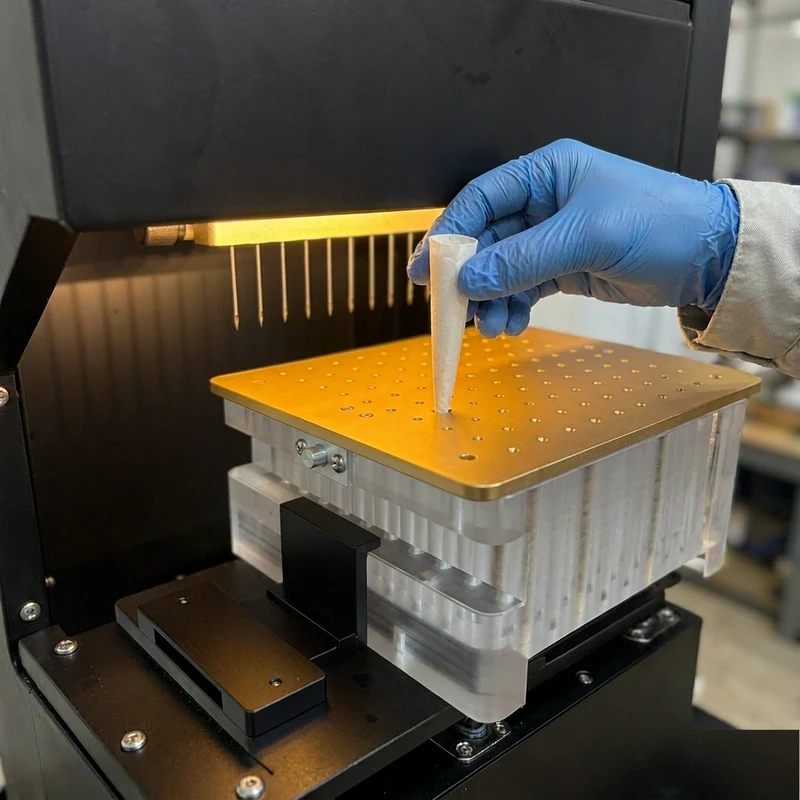
Longwill's K1 Pre-Roll Cone Filling Machine uses a paper-cone holding tray and a separate flower filling arrangement. Once the cones are loaded and the filling stage is completed, the resulting units can be checked under the manufacturer's selected quality procedure.
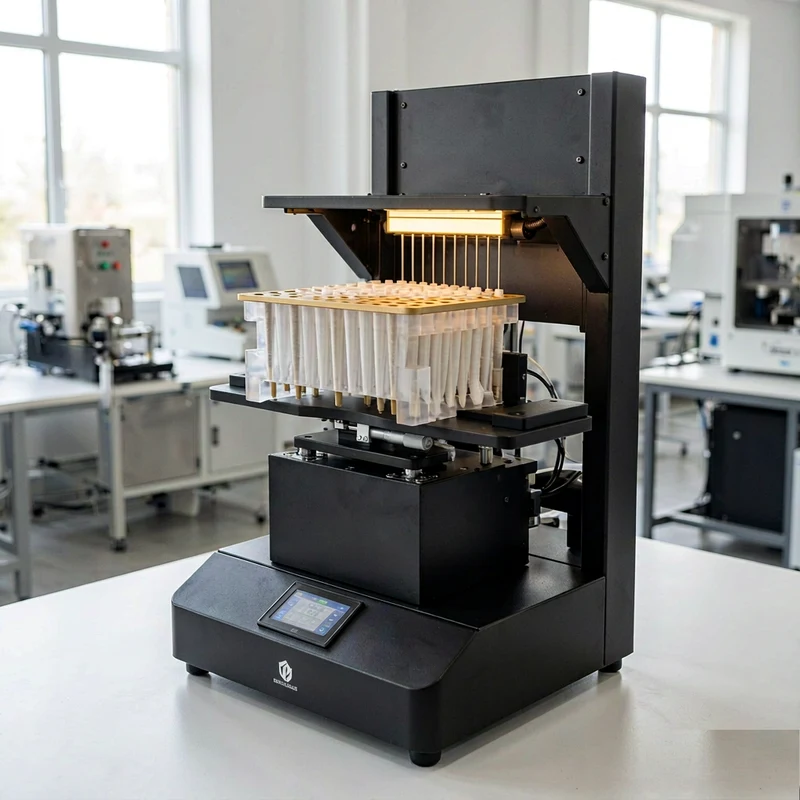
If a repeated weight difference appears at the same tray position, recording that location may help the production team identify whether a particular fixture position or handling step needs inspection.
This does not establish that the tray is defective. It provides a more specific starting point than changing every machine setting at once.
How Should Manufacturers Check a Filled Pre-Roll Batch?
A useful weight-control procedure should produce measurements that can be compared over time.
The process begins with a defined product specification, the correct weighing instrument, and a consistent method for establishing net weight.
The manufacturer must then determine whether its approved process requires every unit to be checked or permits a documented sampling method.
The appropriate choice depends on the product, the governing requirements, and the company's validated quality procedure. A sample check should not be assumed sufficient in every regulated market.
For each inspected unit, it can be useful to record the production batch, cone format, target weight, measured net weight, and the relevant machine or tray position.
| Observation | First item to verify | Reason |
|---|---|---|
| Most units are below the target | Target setting and tare procedure | A systematic shift may affect the whole batch |
| A few units are unusually low or high | Specific tray positions and handling | Isolated problems may have a local cause |
| Weight changes after a material change | Material preparation and production settings | Different material batches may behave differently |
| Weight changes after switching cones | Cone tare and paper/filter specification | Hardware weight may affect the calculation |
| Repeated measurements disagree | Scale suitability and weighing procedure | Measurement variation may be mistaken for filling variation |
This approach helps separate a product-weight issue from an unreliable measurement process.
Does Every Pre-Roll Need to Be Weighed Individually?
There is no universal answer for every jurisdiction or production application.
Some production systems use individual weighing, while others use in-process sampling supported by an approved quality plan. Certain automated lines also incorporate weighing and rejection functions.
The equipment configuration alone does not determine which approach is legally sufficient.
For example, California's 2026 cannabis regulations specify requirements for weighing devices used in certain commercial cannabis transactions, packaging, and track-and-trace activities. The precise obligations depend on how the device is being used. [3]
A production team should therefore establish its applicable requirements before choosing between manual sampling, individual checks, or automated weight inspection.
For a manufacturer using a tray-based pre-roll filling machine, the important distinction is that filling and weighing are separate functions unless the selected equipment configuration explicitly integrates both.
What Is the Difference Between Fill Weight and Packing Density?
Fill weight measures the quantity of flower in the pre-roll. Packing density describes how the material occupies the available space.
The two are related, but they are not interchangeable.
Two cones can contain the same net flower weight while having different fill heights or compaction characteristics. Conversely, visually similar cones may contain different flower quantities.
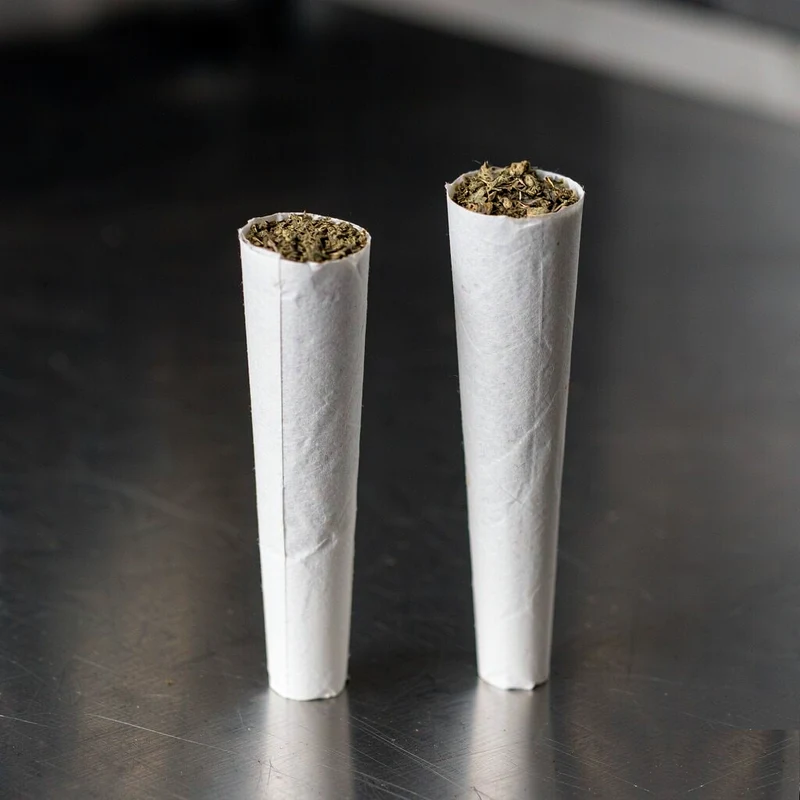
Weight checks are therefore essential for verifying product quantity, but they do not replace other assessments of the finished pre-roll.
Manufacturers may also need to inspect the paper, filter position, closing quality, and overall product appearance.
The development of dedicated pre-roll inspection systems illustrates this distinction. Canapa by Paxiom's Vision360 system, for example, is designed to inspect visible characteristics such as length, filter position, tears, and closing defects rather than relying on weight alone. [4]
A complete quality procedure should identify which characteristics require direct measurement and which require visual or other forms of inspection.
What Should Be Verified Before a Batch Moves to Packaging?
A production batch should not move forward simply because the filling machine has completed its programmed cycle.
Before release to the next stage, the production team should confirm that the required weight checks have been completed, the relevant results are within the approved limits, and any nonconforming units have been handled according to the quality procedure.
Where problems are detected, retain enough information to determine whether the issue relates to the material batch, cone lot, equipment setup, or a particular production period.
For equipment such as Longwill K1, understanding how cones are held and filled provides a useful basis for organizing tray-related inspection records.
It is also important not to confuse a filled cone with a finished retail unit. Closing, packaging, labeling, and final inspection may introduce additional requirements that must be evaluated separately.
Frequently Asked Questions
Can a pre-roll filling machine guarantee the exact weight of every cone?
Not simply by completing the filling cycle. The stated machine performance depends on the equipment configuration and defined operating conditions. Actual net flower weight must be checked using an appropriate measurement procedure. Buyers should distinguish filling specifications from verified finished-product measurements.
Can a pre-roll look full but contain less flower than required?
Yes. Paper geometry, material distribution, and compaction can affect the visible fill level. Appearance alone does not establish net flower weight. A suitable scale and correct tare method are needed to determine the quantity of flower in the product.
Is checking a few pre-rolls enough for an entire batch?
That depends on the applicable requirements and approved quality-control procedure. Sampling can provide process information, but it does not automatically prove that every unmeasured unit meets the target. Manufacturers should define sampling frequency, acceptance criteria, and actions for out-of-range results.
Should pre-rolls be weighed before or after closing?
The appropriate inspection stage depends on what needs to be measured and how the product is constructed. Checking before closing may provide direct information about the filled cone, while final-product checks may be needed later. The procedure must account for paper, filter, and any other components included in the measured weight.
Build Weight Verification Into the Filling Workflow
Pre-roll filling and fill-weight verification should work together, but they are not the same operation.
A filling machine prepares the product by distributing flower into cones. A suitable weighing process then confirms whether the inspected units meet the intended net-weight requirements.
Longwill's tray-based Pre-Roll Filling Machines can be evaluated as part of a production workflow that includes cone preparation, filling, weight checks, closing, and inspection.
When planning a new line, share your cone specifications, target flower weight, quality-control requirements, and expected production volume with Longwill to discuss a suitable filling configuration.
Explore Longwill Pre-Roll Filling Machines.
References
[1] Custom Cones USA. 2026 State of the Pre-Roll Market Report. Section: The Most Time-Consuming Steps in Pre-Roll Production. https://customconesusa.com/pre-roll-expert-blog/pre-roll-reports/
[2] National Institute of Standards and Technology. (2026). NIST SP 2200-08: Suitability of Cannabis Scales (2026 Edition). https://www.nist.gov/publications/nist-sp-2200-08-suitability-cannabis-scales-2026-ed
[3] California Department of Cannabis Control. (2026). Medicinal and Adult Use Cannabis Regulations, Section 17221: Weighing Devices and Weighmasters. https://cdn.cannabis.ca.gov/wp-content/uploads/sites/2/2026/01/dcc_regulations_01012026.pdf
[4] Canapa by Paxiom. (July 10, 2025). Canapa by Paxiom Launches Vision360 — Automated Pre-Roll Inspection System. https://www.canapasolutions.com/canapa-by-paxiom-launches-vision360-the-pre-roll-industrys-first-only-automated-inspection-system/
Table of Contents